What Remains
of Gesture
Eight paintings on textile,
Soviet-era fabric and paper
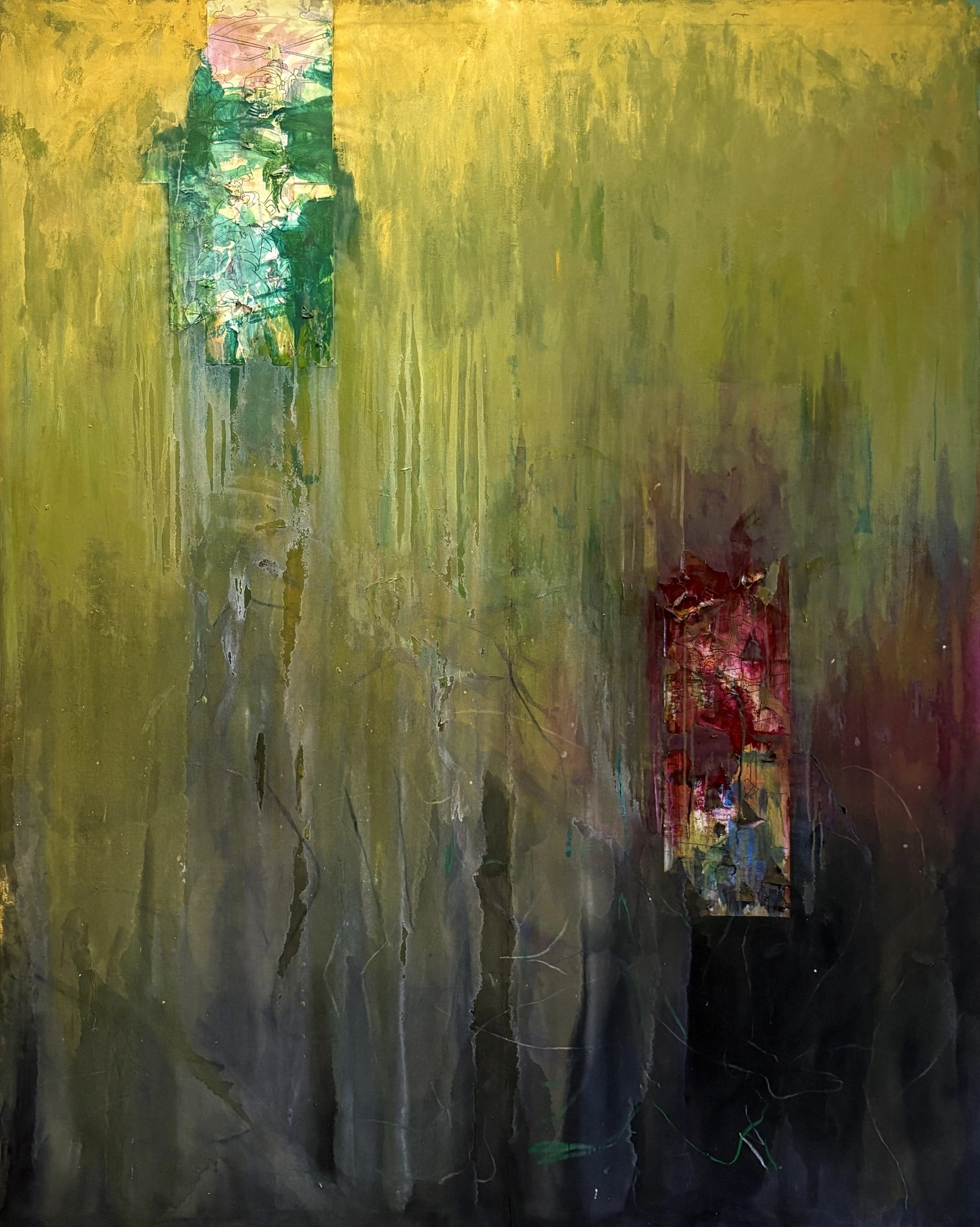
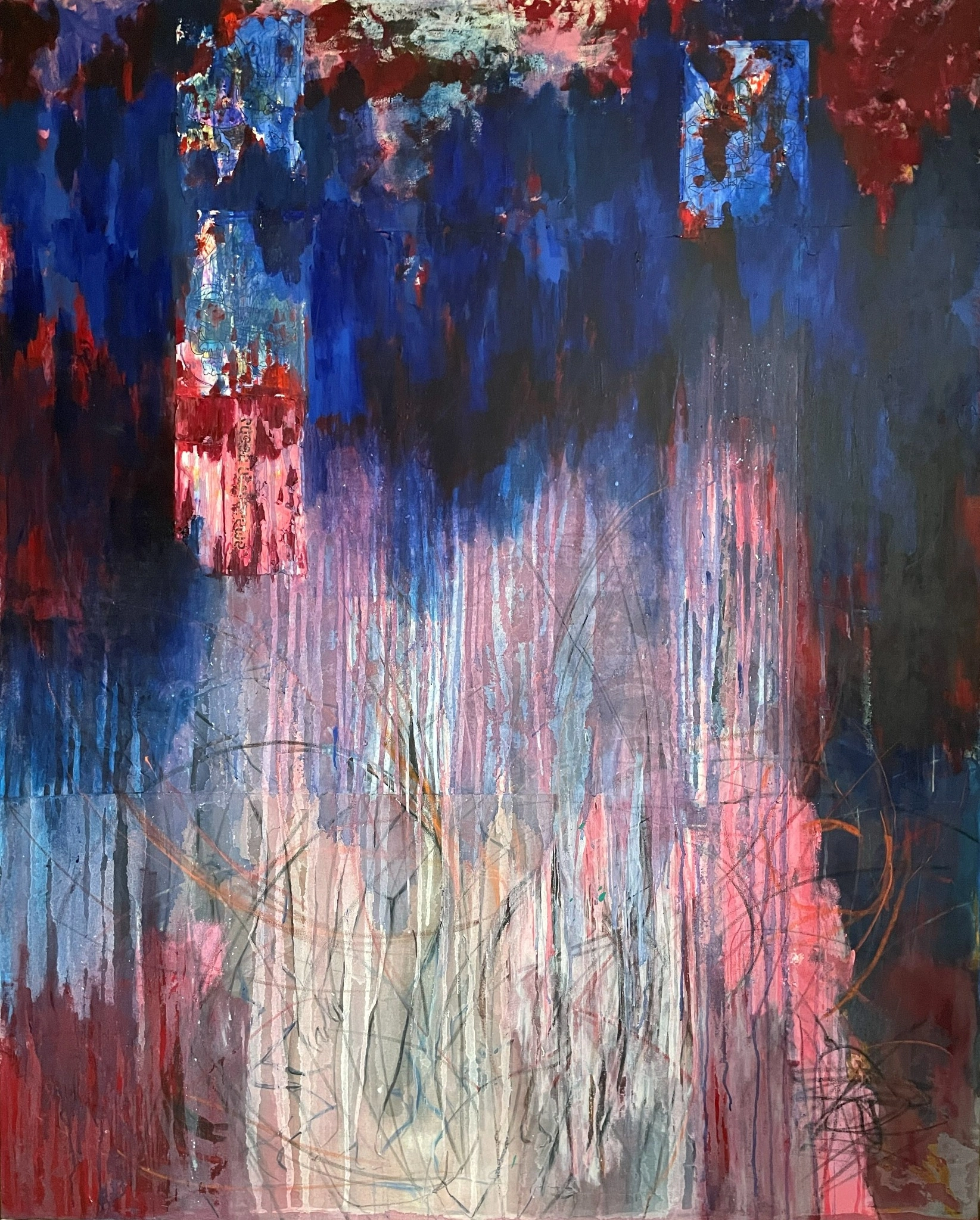
What remains of a gesture after it has been recorded, transferred, covered, and altered?
READ SERIES STATEMENT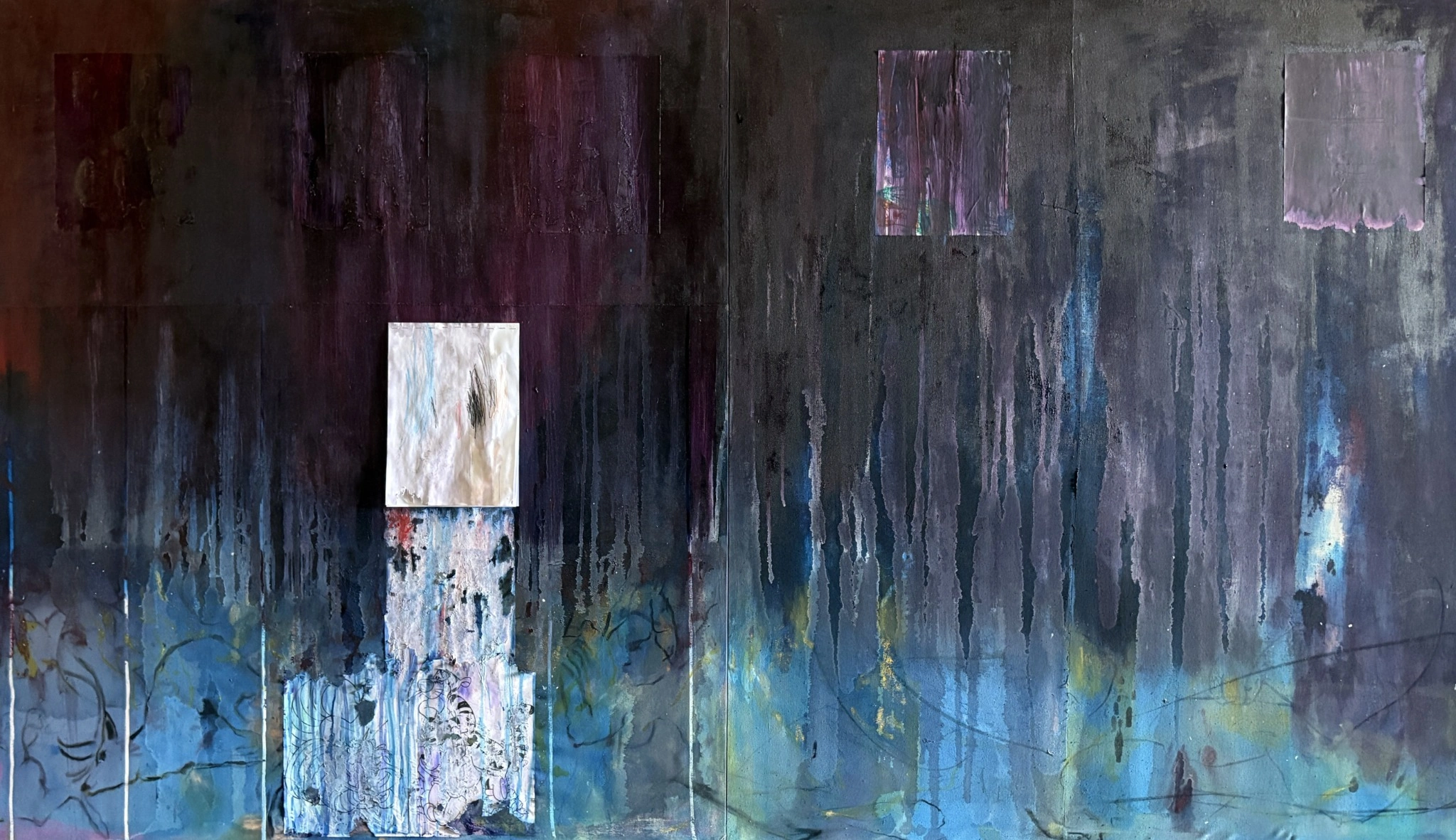
“The original gesture is neither simply preserved nor entirely lost. It is transformed.”
From the series statement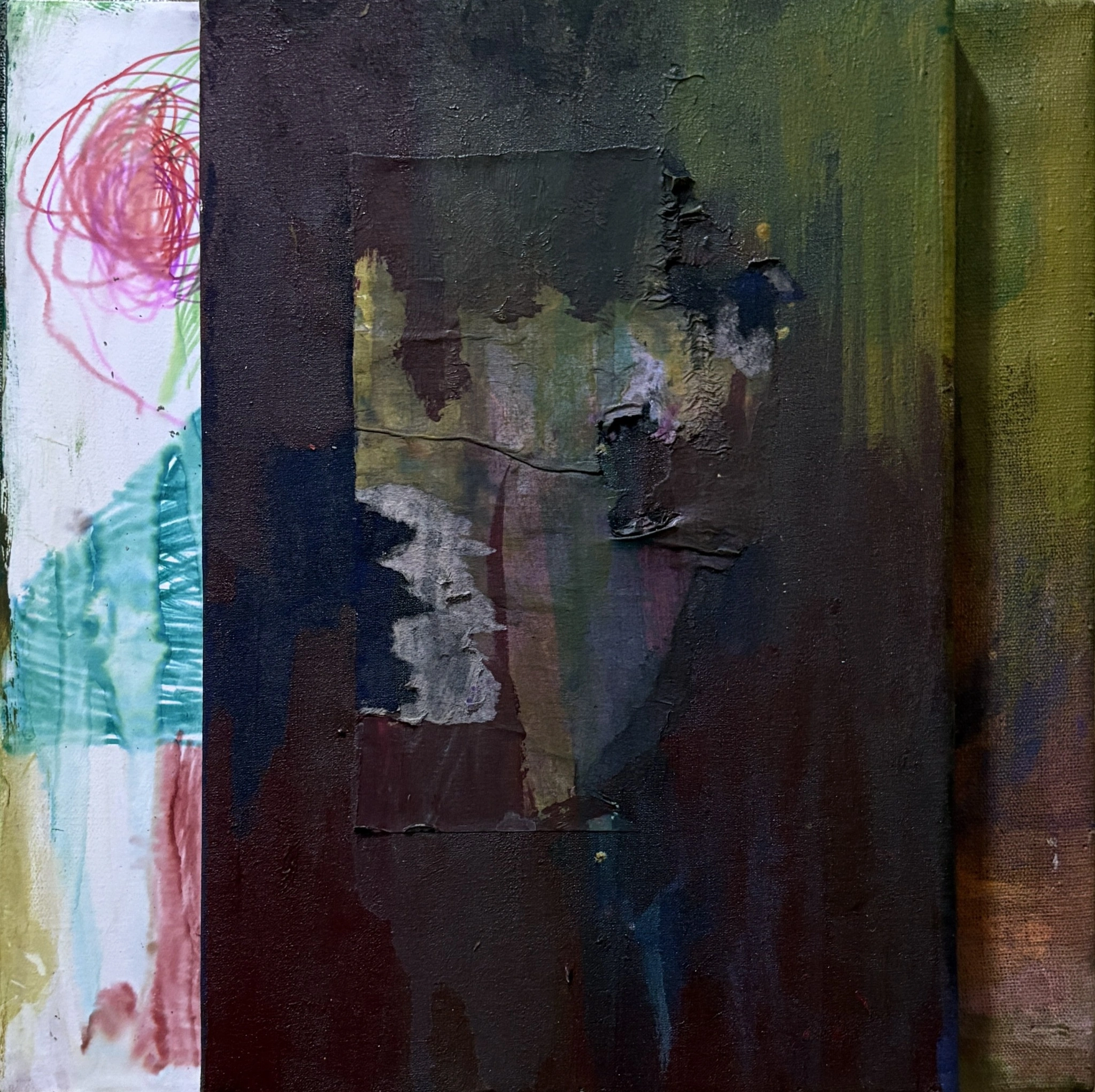
What Remains
of Gesture
Gela Mikava
2026
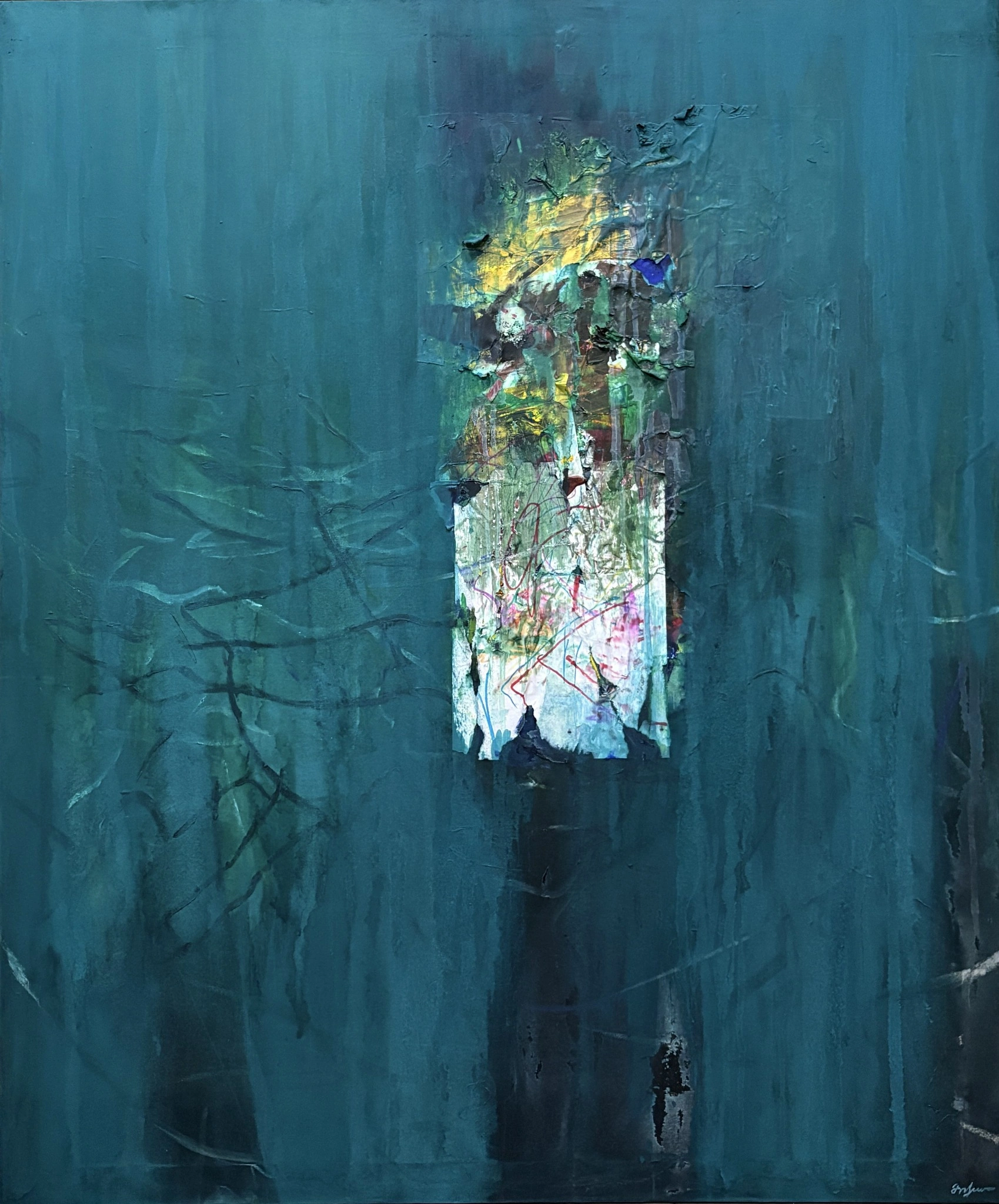
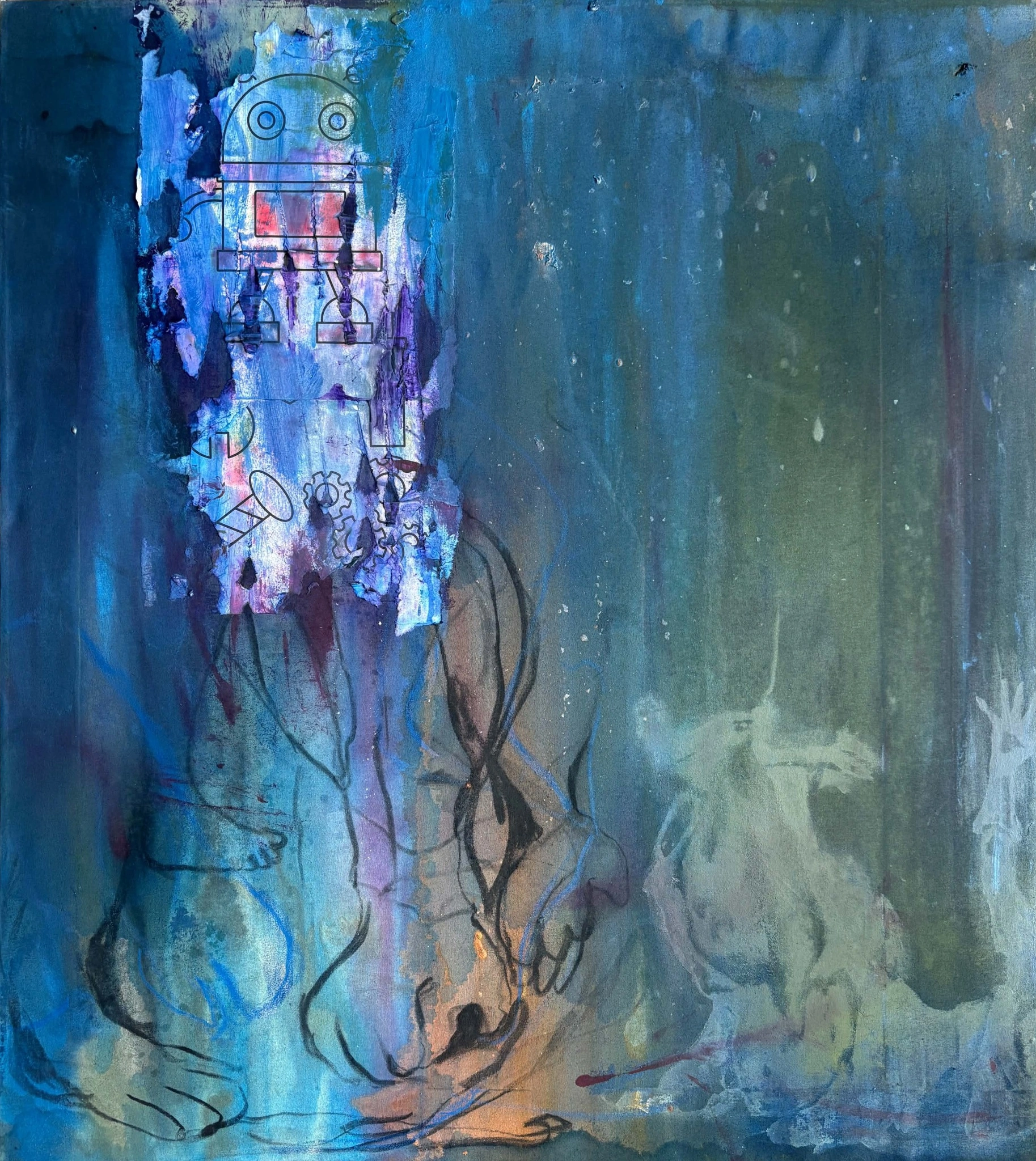
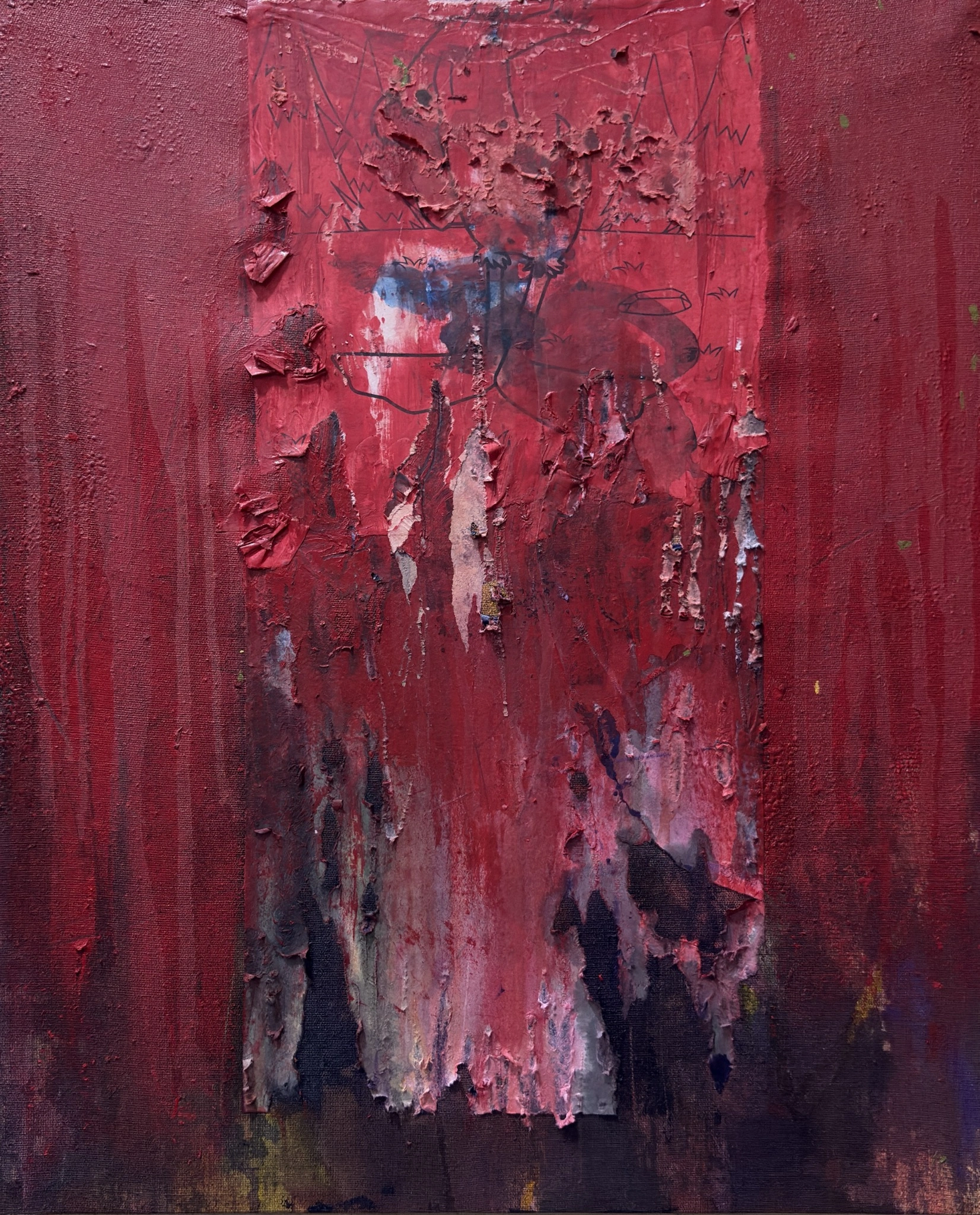
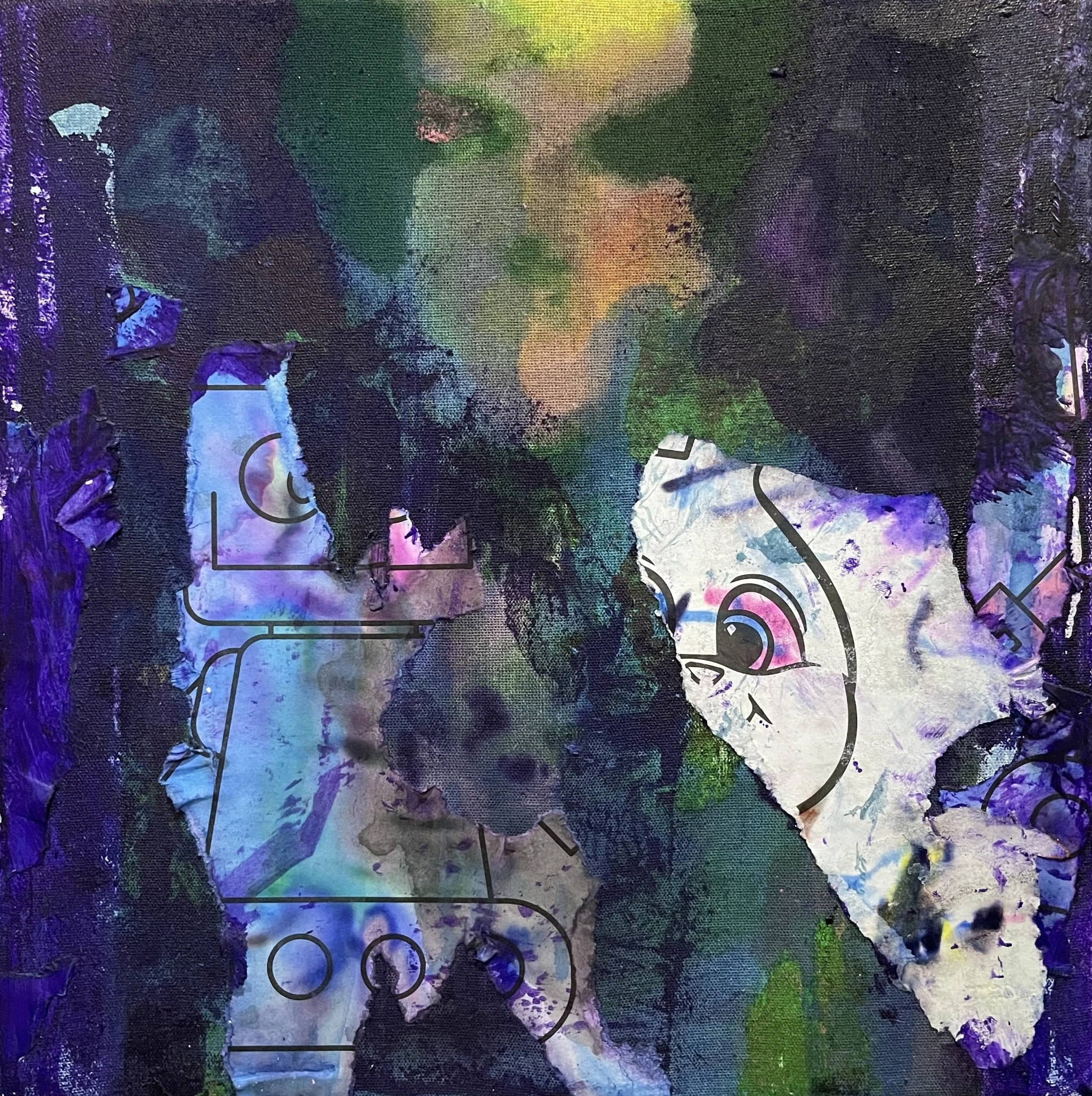
What Remains of Gesture examines the fragile passage from an act of drawing to its material trace. Working with drawings made by children, including his son, Gela Mikava brings spontaneous marks into contact with reclaimed Soviet-era ceiling fabric (biazi)—a material already shaped by domestic use, accumulated wear, and the physical history of its former life.
The drawings enter a surface that is neither neutral nor untouched. Stains, residues, irregularities, and the fabric’s previous existence become active conditions of the work. Through processes of transfer, registration, layering, concealment, and erasure, the original gesture is neither simply preserved nor entirely lost. It is transformed.
At the centre of the series is a tension between the immediacy of the mark and the structures through which it becomes visible, legible, or obscured. A child’s drawing begins as an unguarded act, yet its passage into another material changes its status. What was once an immediate gesture becomes an object of attention, subject to selection, translation, and intervention. The work holds this transition open, allowing the image to exist between presence and disappearance.
Mikava’s use of salvaged ceiling fabric introduces a second register of time. The material carries traces of an earlier domestic environment, while the drawings bring new gestures into contact with that history. Neither layer fully absorbs the other. Instead, they coexist in a surface where different moments remain perceptible without resolving into a single narrative.
Rather than treating the child’s drawing as an image to be preserved intact, What Remains of Gesture considers what survives when preservation itself becomes a form of transformation. The resulting works are not simply records of an original act. They are material negotiations between gesture and structure, immediacy and mediation, what is retained and what disappears.
The series asks how an image continues to exist after the conditions of its making have changed—and what becomes visible in the process of its alteration.